
Inside your company, operations are complex. You manage shipments, documents, partners, and constant updates across multiple steps. But your client doesn’t see any of that. From their perspective, your entire business is defined by how fast you respond, how clearly you communicate, and how consistently you keep them informed.
That perception becomes your brand, and today, it is being shaped by expectations far beyond the logistics industry. This is exactly where modern freight forwarding software plays a critical role.
Visibility Is No Longer Optional
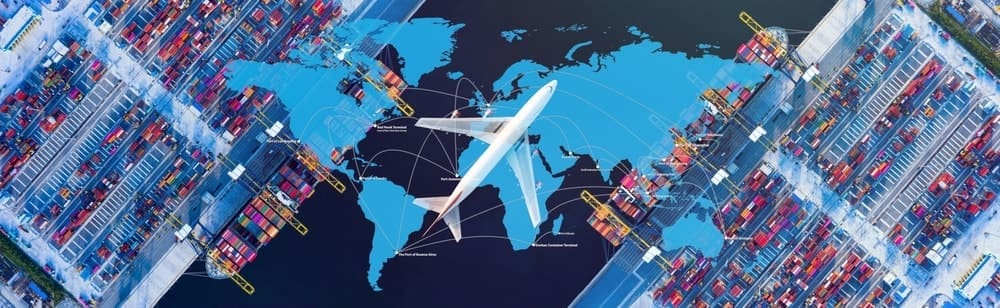
Today’s clients expect more than updates, they expect control. They want to see where their shipments are without asking. They expect immediate access to documents and invoices without delays. They want to be informed the moment something changes, not hours or days later.
This level of visibility is not a luxury feature anymore. It is the baseline for any freight forwarder operating in a digital-first environment.
Why Traditional Processes Are Holding You Back

For years, freight forwarding relied on communication-driven workflows. Emails, calls, and manual updates were the foundation of client interaction. While that approach worked in the past, it now introduces inefficiencies that slow down operations and limit scalability.
Every follow-up creates dependency. Every manual step increases the risk of delay or error. Every disconnected system adds friction. The result is an experience that feels outdated, even if your operations are functioning internally.
What Modern Freight Forwarding Software Should Deliver

The role of freight forwarding software is no longer limited to managing operations. It must connect workflows, eliminate friction, and extend visibility to your clients.
With Logistaas, this connection becomes seamless. The platform brings together your operational flow, from inquiries and bookings to shipments, documents, and invoicing, into one unified system. This ensures that data moves automatically, processes stay aligned, and teams operate without unnecessary duplication or delays.
Transforming the Customer Experience with a Connected Portal

The biggest shift happens on the customer side. With the Logistaas Customer Portal, clients are no longer dependent on your team for updates or access. Instead, they can track shipments in real time, view and share documents, monitor invoices and payment status, and submit inquiries or booking requests directly through a single platform.
This transforms the experience from reactive communication to proactive visibility. Clients gain control, and your team gains time to focus on higher-value tasks instead of routine follow-ups.
From Complexity to Simplicity

The way clients experience your service should be simple, intuitive, and transparent. That simplicity becomes a competitive advantage, especially in a market where expectations continue to rise.
By adopting connected freight forwarding software, you are not just improving efficiency, you are redefining how your service is experienced.
Closing the Experience Gap
The difference between forwarders who grow and those who struggle is no longer just operational capability. It is the ability to deliver a modern, connected experience that meets today’s expectations.
If your clients still rely on emails, follow-ups, and manual updates to stay informed, the gap already exists. The question is whether you are ready to close it.
Freight forwarding is no longer just about moving cargo. It is about delivering clarity, speed, and transparency at every step of the journey. With the right freight forwarding software, that shift becomes not only possible, but scalable.
Request a demo with Logistaas.